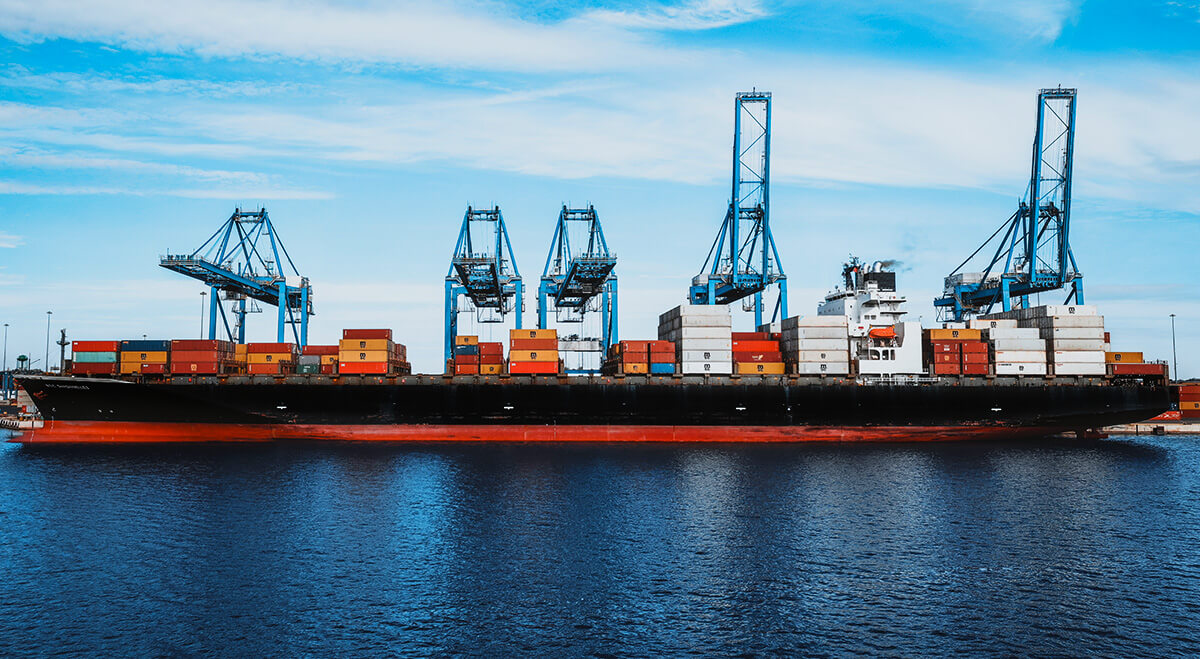
War risk premiums (WRP) are no longer a theoretical concept: they have become a structural component of logistical costs. At AGC Newtral, we analyze why this trend threatens the profitability of supply chains and what strategies companies can adopt to mitigate its impact. Why has geopolitical risk become a structural cost? During 2025, attacks in the Red Sea and the Persian Gulf have turned an ‘insurable’ risk into an actual cost for shipping companies, traders, and insurers. According to data from Lloyd’s List and Reuters, war risk premiums have increased by up to 60% since June, reaching values of 0.4% of the ship’s hull and machinery in areas such as the Strait of Hormuz. The impact is not marginal: a $100 million ship today pays up to an additional $400,000 per voyage just for insurance. This extra cost is ultimately passed on to the importer, the exporter, and, ultimately, the final consumer. What has caused the escalation in the Red Sea? The campaign of attacks by the Houthis from Yemen has revealed the vulnerability of global maritime trade. Despite containment military operations led by the United States and the United Kingdom, two merchant ships were sunk in July 2025, demonstrating the ineffectiveness of deterrence measures. The most worrying aspect is the expansion of the target risk: since July, attacks are no longer directed solely at ships with an Israeli flag, but at any shipping company operating in ports considered ‘enemy.’ This has caused a domino effect on insurers, who practically penalize all traffic in the region. How does this affect global supply chains? More than 60% of the world’s container fleet has chosen to divert its routes via the Cape of Good Hope, according to data from Drewry Shipping Consultants. This increases Asia-Europe transit times by 10 to 14 days, reduces effective capacity, and distorts freight rates, which rose by 25% in September despite the surplus of available ships. The result is a paradox: more theoretical capacity, but less actual turnover. Supply chains lengthen, inventories increase, and financial flows become strained. What should companies do in the face of this new reality? At AGC Newtral, we believe that companies should incorporate geopolitical risk into their TCO (Total Cost of Ownership) modeling. The base freight rate no longer reflects the real cost of moving goods. We recommend three courses of action: Conclusion: from risk to cost Global maritime trade is facing a paradigm shift. Geopolitical risk has stopped being a probability and has become a tangible economic variable. At AGC Newtral, we work to help companies understand, measure, and manage these risks before they result in losses. Anticipation, now more than ever, is the best investment.